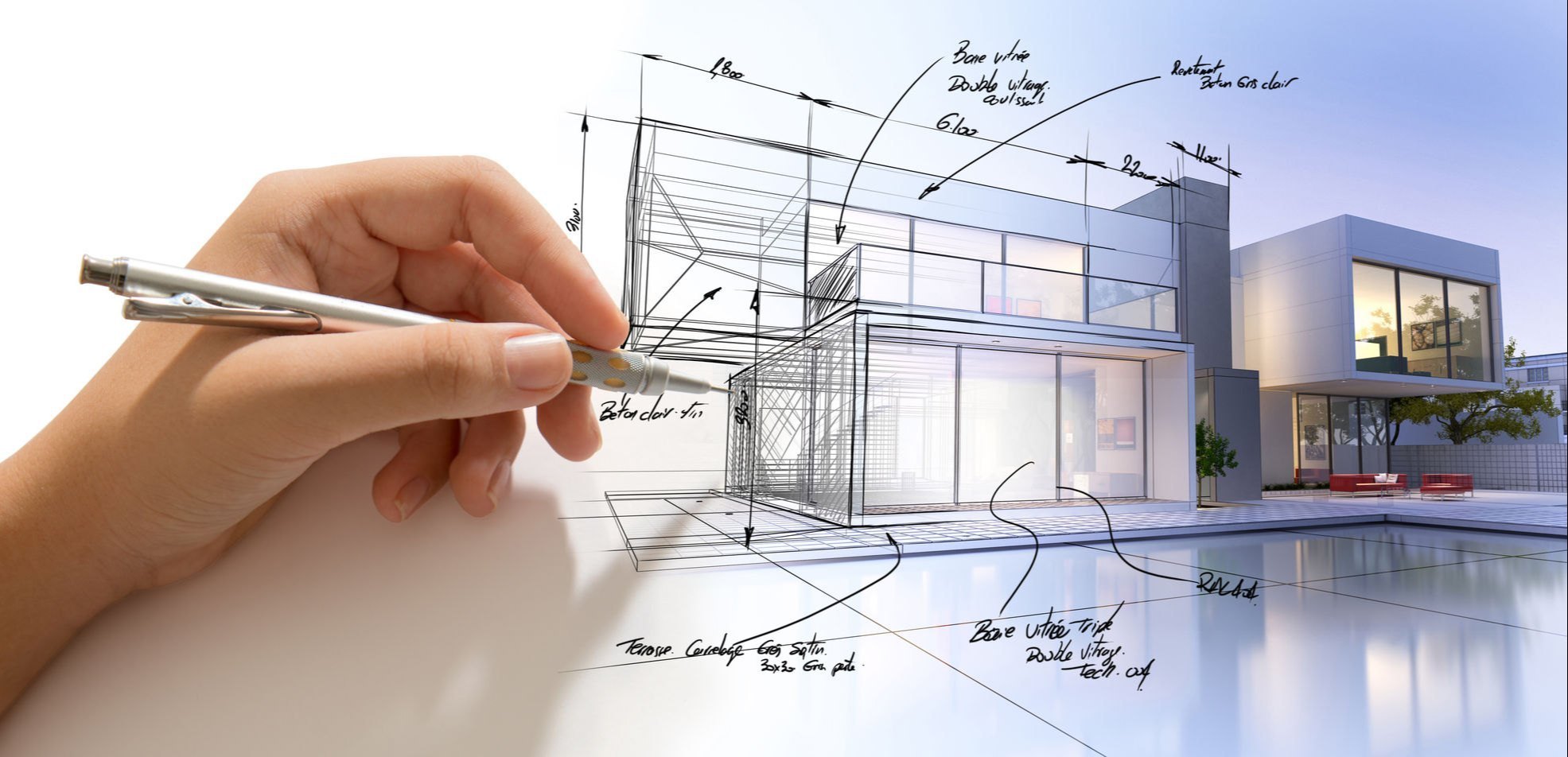
1. Site plan
A site plan provides a map of the construction site. Site plans contain information about existing structures on or near the construction project, such as roads and buildings in proximity. This includes topographical elements, or natural features, such as foliage and changes in land elevation. Site plans also detail proposed changes to the area after construction, such as through drainage systems or alterations in topography.For example, if the construction site for an apartment building had other apartment buildings nearby, then your site plan would include them. If you were building around a line of existing trees, you would also show those in your site plan.
2. Plot plans
Plot plans are like site plans in that they both depict the whole project site. Both also typically use an aerial, or above-ground, view. However, plot plans provide more details about the land where the structure will be, such as land survey marks. Plot plans are often used to establish the boundaries of both the structure and the entire area of purchased land. For example, a plot plan might show that the proposed building structure leaves room on two sides for grass on the property.Related:How To Read Blueprints
3. Excavation plans
Excavation plan drawings show the dimensions of the future excavation on the project site. The drawings might specify how the excavation should occur, such as through trenching or tunneling. The depth, width and length of excavation depend on the particular project and site. For example, a home with a basement likely needs a deeper excavation process than one without.
4. Floor plan
Floor plans show what the construction project would look like if viewed aerially without a roof. Structures with multiple levels typically have a unique floor plan for each level. Floor plans include specifications such as:
- Dimensions of interior and exterior walls
- The type of each room
- Material specifications
- Stairs and their direction
For example, for a two-story house, an architect would likely create a floor plan for each level of the house. The first-level floor plan might include details about the kitchen, while the second could contain specifications for each bedroom.
5. Elevation drawings
Elevation plan drawings depict the structures vertically, as if you were looking straight at them. Architects draw elevation plans in two dimensions, so they do not depict a project’s depth.Construction drawings of elevations help show what a building’s exterior layout and facade should look like. For example, if you wanted your structure to have a particular siding or roofing material, the elevation plans would depict that. Elevation plans also contain measurements for exterior fixtures, such as the distance between each window.
6. Section drawings
Section plan drawings are like elevation plans in that both depict the project from a vertical perspective. However, while elevation plans show what a building should look like once completed from the outside, section plans show the hidden structures beneath the building’s facade. Section plans might depict:
- The insides of walls or floors
- The foundation of the building
- Beams
- Columns
- Lintels, or support structures above doors and windows
For example, if you wanted to create a building with stone columns, you would include that information in the section plans.
7. Detail drawings
Detail drawings depict elements shown in other construction drawings on a larger scale. Detail drawings provide more thorough information about the placement of and the connections between different parts. An architect might create detail drawings for:
- Door frames
- Staircases
- Material connections, such as where a column meets the foundation
- Cornices, or decorative features near the top of a wall
- Window frames
If, for example, you wanted your future home to contain cornices, the detail drawings would likely include the nearby roof rafters and wall studs.
8. Mechanical and electrical drawings
Mechanical and electrical drawings show the design and locations of the future building’s power structures. Mechanical and electrical drawings might show:
- Thermostat placements
- Air delivery rates
- Ductwork structures
- Load calculations
- Switch locations
- Wiring paths
- Connections to outdoor power grid
Depending on the size, type and complexity of the building, the professional may combine or separate these drawings. For example, construction drawings for a hospital may have separate mechanical and electrical diagrams, as hospitals typically require complex ventilation systems. A small residential property, however, may not need separate mechanical and electrical drawings.
9. Plumbing and drainage
Plumbing and drainage drawings show how water moves in and out of the building. Ensuring proper drainage on your construction project helps to keep people who use the building in the future healthy. These drawings show the exact locations and sizes of fixtures such as:
- Pipes
- Water tanks
- Pumps
- Drains
- Vents
10. Finishing drawings
Like detail drawings, finishing drawings display smaller specifications for the construction project. The difference is that while detail drawings focus on a building’s structural elements, such as door and window frames, a finishing drawing focuses more on design elements, which might include:
- Floor patterns
- Plaster texture
- Wall paint colors
If you knew, for example, that you wanted your building to have a floor pattern that matched the wall paint, you would show this on the finishing drawings.
11. Reflected ceiling drawing
A reflected ceiling drawing shows what the ceiling should look like when seen from the floor. Reflected ceiling plans might show elements such as:
- The light fixtures attached to ceilings
- The aesthetic features of a cornice
- The design of a visible column
Some reflected ceiling plans might be more complex than others. For example, a building with decorated interior cornices likely has a more complicated reflected ceiling plan.
12. Perspective drawings
Perspective drawings depict a proposed structure in three dimensions. Perspective drawings help provide a more thorough understanding of how the construction project will look once finished. A perspective drawing might help construction crews visualize, for example, how porches attached to the outsides of apartment units might appear once constructed.